
About osteopathy
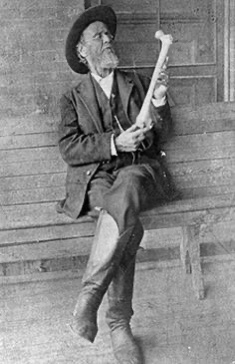 Dr Andrew Taylor Still, the founder of osteopathy
Osteopathy was founded by Dr. Andrew Taylor Still (1828-1917) who started The American School of Osteopathy in 1892. The roots of osteopathy from the earliest days lay in the detailed study of human anatomy and structure, particularly the bones, hence the name from the Greek words osteon (bone) and pathine (suffering). Although osteopaths to this day study the up-to-date sciences relating to the structure and the workings of the body, osteopathy is also very much an art. The art lies in the ability of the osteopath to listen to the body to discern areas that may require help. The manual listening skills that are used are very gentle and take time to develop.
Osteopathy in the UK has been regulated by statute since 1993.
What is osteopathy and what do osteopaths treat?
The name osteopathy implies the treatment of bones and it is commonly thought of as such. ‘Bones’ is actually just a shorthand for the entire structure of the body, and osteopathy is concerned with not just the alignment of bones and posture, but also improving joint movement and function, ensuring good lymph and venous drainage, good blood supply, restoring normal muscle and fascial tone, aiding function of the internal organs and restoring nerve function. It is a patient centered or individualized approach focussed on restoring, maintaining and promoting physical and therefore psychosocial well-being.
One of the basic tenets of osteopathy is that structure governs function. Abnormal relationships of the structure of the body can interrupt blood and nerve supply and restrict lymphatic and venous flow leading to injury or ill-health. Osteopathic adjustment of the structure of the body aims to support the resolution of injury, strains and maintain health.
The relationship between structure and function, the holistic workings of the human body, cause and effect, and the interrelatedness of the parts are all inherent in osteopathic philosophy and very much reflect the influence of the English biologist and philosopher Herbert Spencer (First Principles, 1862) on the thinking of Dr A T Still and his contemporaries in the USA at that time.
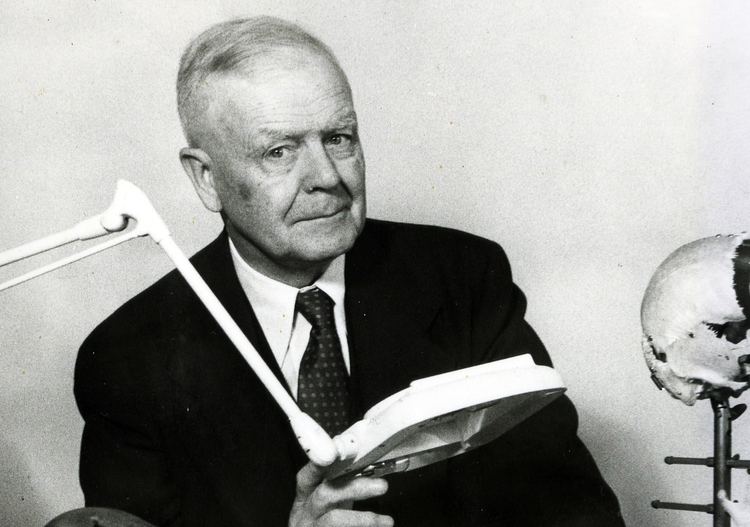 Dr William Garner Sutherland, pupil of Dr Still and the founder of Cranial osteopathy.
For these reasons, osteopathy isn't so much about the treatment of specific conditions as the restoration of the balance of the body leading to improved health.
References:
Spencer, H. First Principles, 1864. Reprinted from the 5th London edition, A L Burt Co, J Publishers, NY. 2008.
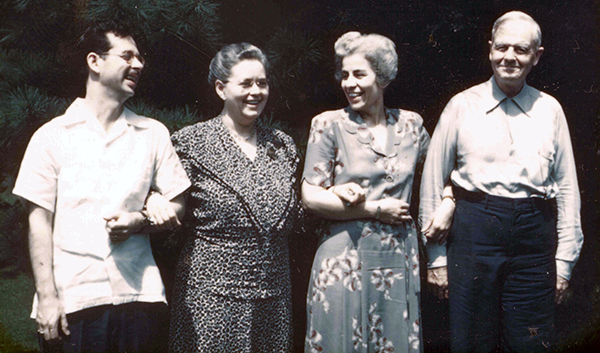 The Legacy of Dr Ann Wales: Passing Osteopathy Hand to Hand. From Left: Chester Handy DO, Adah Sutherland, Anne Wales DO FCA, William Garner Sutherland DO DSc